
Designers who create original artwork often want their textile collections to look distinctive rather than follow common patterns available in the market. Turning hand-drawn illustrations, paintings, sketches, or digital artwork into fabric can be challenging when the printing method cannot accurately reproduce fine details. Digital textile printing offers a flexible solution by allowing original artwork to be transferred onto fabric with greater control over colour, detail, and placement.
Bringing Original Ideas to Fabric
Original artwork can give a collection a strong visual identity. A designer may begin with a pencil sketch, watercolour painting, digital illustration, or digitally manipulated photograph. Instead of recreating the artwork using traditional printing methods, the design can be prepared as a digital file and adapted for textile production.
This makes it easier to preserve the character of the original artwork while preparing it for use on different fabric surfaces. Designers can also experiment with scale, orientation, and placement before final production.
Preserving Fine Details
Artwork often contains small lines, delicate textures, gradients, and subtle visual effects. Simplifying these elements may change the appearance of the original design.
Digital textile printing is well suited to detailed artwork because the design is processed digitally before being printed. Fine illustrations, intricate motifs, and layered graphics can therefore be incorporated into textile designs without unnecessarily reducing their visual complexity.
Experimenting With Colour
Colour is an important part of original artwork. A designer may use several shades within a single illustration or rely on smooth transitions to create depth.
Digital printing provides flexibility when preparing colours for textile applications. Designers can adjust brightness, contrast, saturation, and individual shades during the artwork preparation stage. This makes it easier to develop variations of an original design and determine which version works best for a particular collection.
Creating Custom Patterns
An individual artwork does not always have to appear as a single large image. Designers can transform original illustrations into repeating patterns, borders, panels, or smaller motifs.
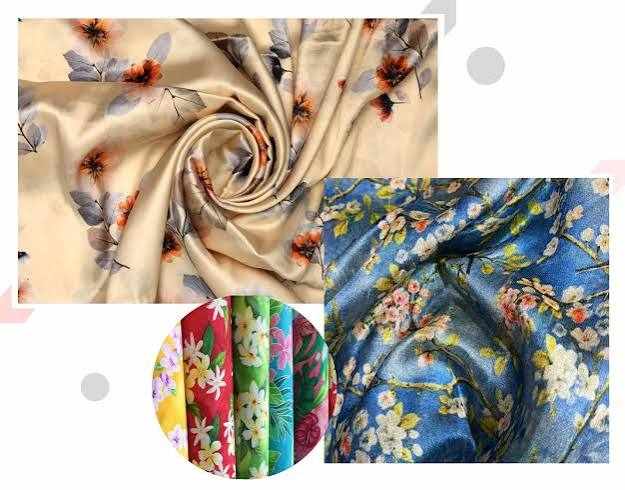
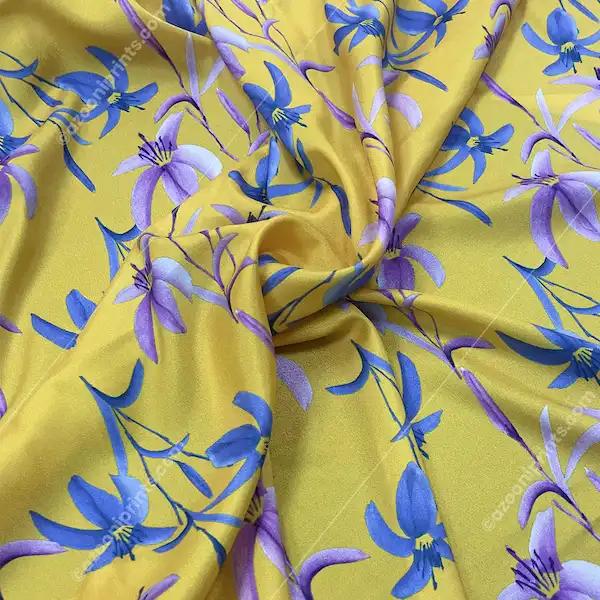
For example, a hand-painted floral illustration can be separated into individual elements and arranged into a repeating textile pattern. Similarly, abstract artwork can be enlarged to create a bold statement print. This flexibility allows one original concept to inspire several products within a collection.
Supporting Small and Limited Collections
Independent designers and boutique labels may not need very large quantities of printed fabric. Digital textile printing can be useful for smaller projects where designers want to test an original concept before producing larger quantities.
A designer can create samples, evaluate the printed result, make adjustments, and then decide whether to proceed with a larger production run. This approach can make experimentation more manageable and reduce the pressure of committing to a large quantity at the beginning.
Maintaining a Distinctive Brand Identity
Original artwork can become an important part of a designer's signature style. Consistently using self-created illustrations, motifs, and colour palettes can help customers recognise a collection.
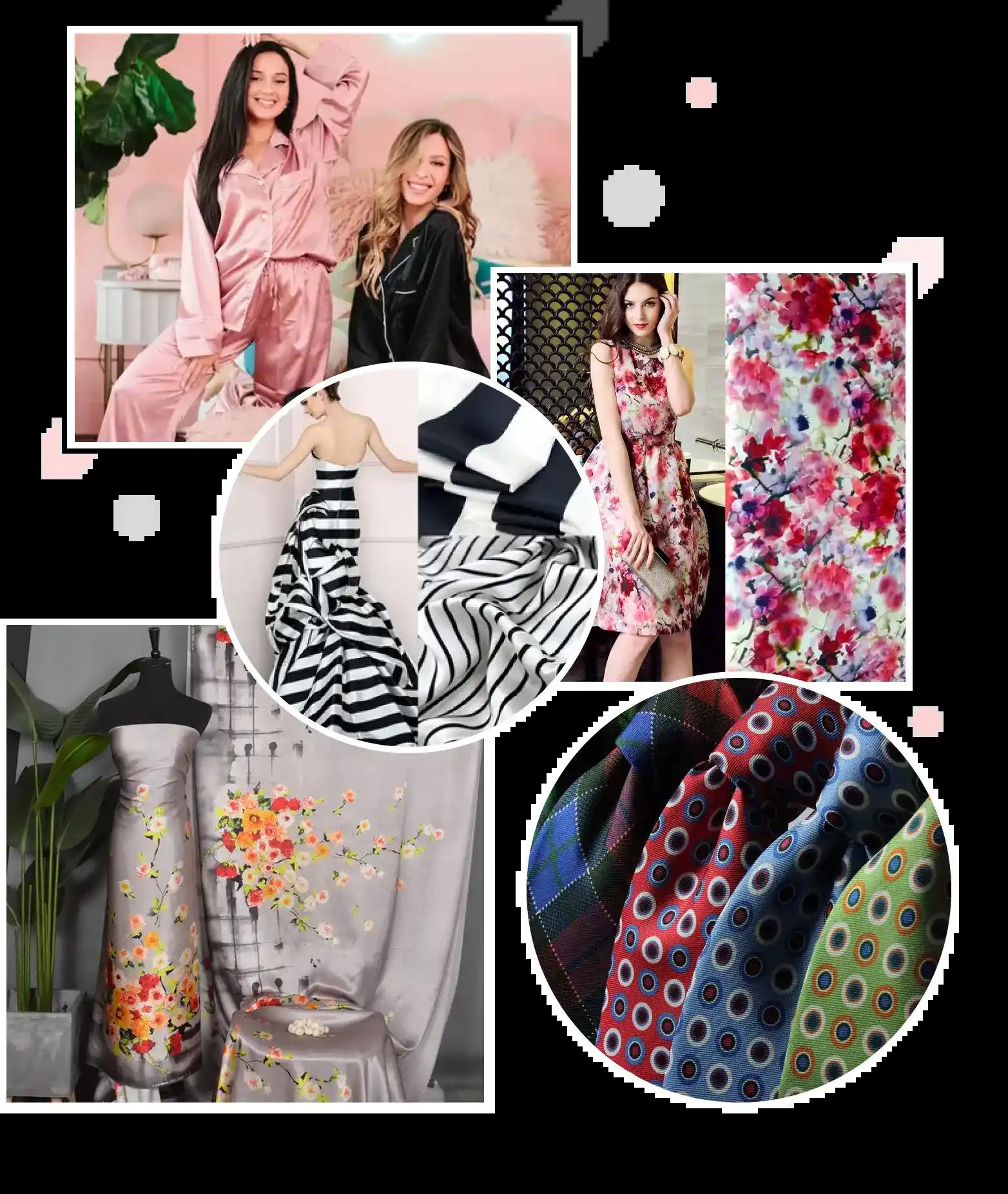
Digital textile printing makes it easier to reproduce these creative elements across garments, scarves, accessories, home textiles, and other applications. Designers can also create variations while keeping the central visual concept consistent.
Conclusion
Working with original artwork gives designers an opportunity to develop genuinely distinctive textile collections. From preserving fine details and experimenting with colour to creating custom patterns and limited-edition designs, digital textile printing provides the flexibility needed to translate creative ideas into fabric. For designers who want greater control over their artwork and collection development, it offers a practical bridge between the original creative concept and the finished textile product.



Write a comment ...