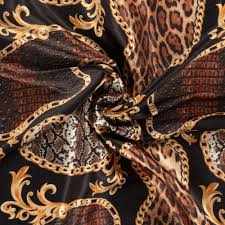
Silk and satin are two luxurious fabrics often used in fashion, home décor, and accessories. While they may look similar at first glance, understanding the differences between silk print fabric and satin is essential for making the right choice in design, care, and usage. Both fabrics have distinct textures, finishes, and applications, which influence their popularity in the textile industry.
1. Material Composition
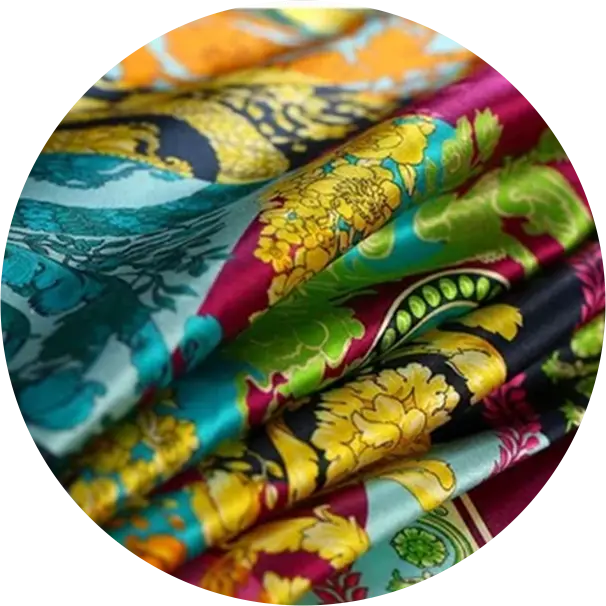
Silk is a natural fiber produced by silkworms. It has been prized for centuries for its softness, luster, and strength. Silk print fabric refers to silk that has been printed with various patterns, ranging from delicate floral designs to bold abstract motifs. Satin, on the other hand, is a type of weave rather than a fiber. It can be made from silk, polyester, or nylon. What defines satin is its glossy surface and smooth texture, achieved through a weaving technique that produces a high sheen on one side and a matte finish on the other.
2. Texture and Feel
Silk print fabric is lightweight, breathable, and has a natural softness that feels gentle on the skin. It drapes gracefully, making it ideal for flowing garments like dresses, scarves, and blouses. The printed designs add versatility, allowing for both traditional and contemporary styles. Satin is smooth and slippery to the touch, often heavier than silk depending on the fiber used. Its reflective surface gives it a shiny, glamorous look, making it a popular choice for evening wear, formal gowns, and lingerie. Unlike printed silk, satin is often solid-colored, though patterned satins do exist.
3. Appearance and Shine
Silk has a natural, subtle sheen that enhances printed patterns without overwhelming them. Prints on silk appear elegant and can showcase intricate details with clarity. Satin, due to its weaving method, has a pronounced gloss that makes it look more luxurious and eye-catching. However, the high shine can sometimes overpower detailed patterns, which is why satin is often preferred in solid colors or simple designs.
4. Durability and Care
Silk print fabric is delicate and requires careful handling. Dry cleaning is usually recommended, though some types can be hand-washed with mild detergents. Over time, silk may lose its sheen if exposed to sunlight or harsh chemicals. Satin made from synthetic fibers like polyester is generally more durable and easier to care for. It can often be machine-washed and is more resistant to wrinkles and shrinkage. However, satin made from real silk will have similar care requirements to silk print fabric.
5. Applications
Silk print fabric is widely used for stylish daywear, summer dresses, scarves, ties, and high-end accessories. Its breathability and print versatility make it suitable for both casual and formal occasions. Satin is commonly used for evening gowns, bridal wear, pajamas, and decorative items like pillowcases and drapes. Its glossy appearance adds a touch of elegance to any design.
Conclusion
In summary, the key differences between silk print fabric and satin lie in fiber composition, texture, appearance, durability, and typical applications. Silk print fabric is natural, soft, breathable, and ideal for printed designs, while satin offers a glossy, smooth finish and a more luxurious aesthetic. Choosing between the two depends on the desired look, comfort, and practicality. Understanding these differences ensures designers, fashion enthusiasts, and consumers make informed decisions for their clothing and textile needs.






Write a comment ...